
Adolescent Mental Health Treatment
Confidential • Compassionate • Virtual Care Across California
Give Your Teen the Support They Deserve
Your Information Is Always Confidential
Confidential. Same-day response. No pressure.
🛡️ By submitting, you consent to be contacted about treatment. Your info stays private.
Frequently Asked Questions
What mental health concerns can adolescents receive help for?
Path 2 Purpose provides virtual behavioral health support for concerns including anxiety, depression, trauma, mood challenges, emotional regulation difficulties, substance use, and co-occurring concerns.
How does virtual treatment work for teenagers?
Eligible adolescents participate in secure telehealth sessions with their clinical team from an appropriate private environment. The specific services and schedule depend on the adolescent’s individualized treatment plan.
Are parents or caregivers involved in treatment?
Family involvement depends on the adolescent’s needs, treatment plan, age, and clinical circumstances. When appropriate, families can be included to support communication, understanding, and progress.
Can my teen continue attending school while receiving treatment?
Virtual treatment can provide greater flexibility than attending a physical treatment facility. Depending on the level of care and individual circumstances, services may be incorporated around school and other responsibilities when clinically appropriate.
What if my teen doesn't want therapy?
It’s common for adolescents to feel uncertain or hesitant about treatment. Our clinicians focus on building trust and creating a supportive environment where teens can feel heard rather than judged. The initial process can help identify ways to make treatment more comfortable and meaningful.
How do I know which level of care is right for my teen?
You don’t have to determine this on your own. An initial clinical assessment can help the treatment team understand your teen’s needs and recommend an appropriate level of care.
Helping Teens Navigate Life With Confidence
Adolescence is an important stage of emotional, social, and personal development. School, friendships, family relationships, social pressures, identity, and major life changes can all affect a teenager’s mental health.
When challenges begin interfering with everyday life, professional support can make a meaningful difference. Path 2 Purpose provides accessible virtual care designed specifically around the needs and experiences of adolescents.
Our clinicians work to create a supportive, respectful environment where teens can feel heard and understood. Through personalized treatment, we help adolescents develop practical skills for managing emotions, navigating challenges, strengthening relationships, and building a healthier foundation for the future.
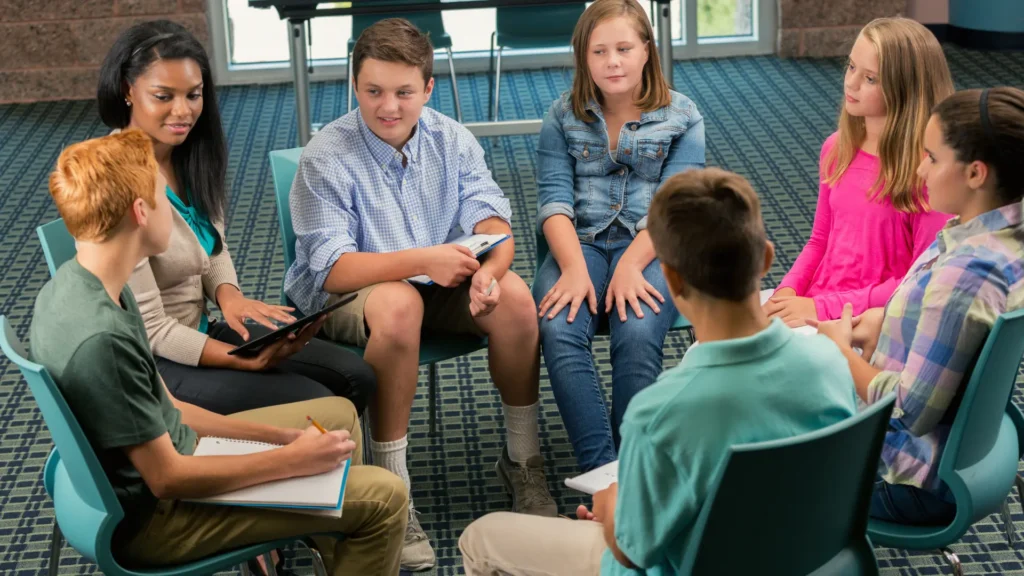
Every Teen's Experience Is Different
It’s normal for teenagers to experience changes in emotions and behavior as they grow. But when symptoms become persistent, overwhelming, or begin affecting school, relationships, family life, or daily functioning, additional support may be needed.
Recognizing when a teen is struggling isn’t always easy. Some adolescents may openly communicate what they’re experiencing, while others may withdraw, become irritable, or have difficulty expressing their emotions.
Our approach focuses on understanding the individual, not simply the symptoms. We take the time to learn about each adolescent’s experiences, strengths, challenges, and goals while working collaboratively with families when appropriate.
Adolescents may seek support for:
- Anxiety and excessive worry
- Depression and persistent sadness
- Trauma and PTSD
- Mood disorders
- School-related stress
- Social challenges
- Family or relationship difficulties
- Substance use concerns
- Co-occurring mental health concerns
- Low confidence or self-esteem
Care That Meets Teens Where They Are
Adolescents need care that respects their individuality while providing the structure and support necessary to make meaningful progress. Our clinicians use personalized treatment approaches designed around each teen’s developmental needs and circumstances.
Depending on individual needs, care may include:
- Individual Therapy: A supportive space where adolescents can talk openly, understand their emotions, develop coping strategies, and work toward personal goals.
- Group Therapy: When appropriate, group treatment can help teens develop social and communication skills while learning from shared experiences in a supportive environment.
- Family Support: Family involvement can play an important role in adolescent care. When appropriate, families can be supported with communication strategies and tools for creating a healthier home environment.
- Mental Health Treatment: Receive personalized support for concerns such as anxiety, depression, trauma, mood challenges, and other behavioral health needs.
- Substance Use Support: When substance use is affecting an adolescent's wellbeing, treatment can address the underlying factors while helping build healthier coping strategies.
- Medication Management: When clinically appropriate, medication support may be incorporated into an adolescent's broader treatment plan.
Support That Fits Into a Teen's World
Virtual care can provide adolescents with access to professional support in an environment that feels familiar and comfortable.
Comfortable Virtual Access
Participate in sessions from a familiar, private environment rather than traveling to a treatment facility.
Practical Coping Skills
Learn strategies for managing emotions, stress, school pressures, relationships, and other everyday challenges.
Personalized Treatment
Care is tailored to each adolescent's individual experiences, needs, strengths, and goals.
Family-Informed Care
When appropriate, families can be included in the treatment process to strengthen communication and support progress.
Early Support Matters
Addressing mental health concerns earlier can help adolescents develop skills and healthier patterns that support their future wellbeing.
Support From a Place That Feels Familiar
For many teenagers, walking into an unfamiliar treatment environment can feel intimidating. Virtual care offers an alternative that allows adolescents to connect with their clinical team from a familiar and comfortable setting.
Through secure telehealth, eligible adolescents can participate in treatment without the need for frequent travel. This can make it easier to maintain school, family, and other important parts of everyday life while receiving appropriate clinical support.
With virtual care, adolescents can:
- Participate in sessions from home
- Reduce transportation barriers
- Stay connected to school and family routines when clinically appropriate
- Develop skills in their everyday environment
- Receive consistent professional support
What to Expect When Your Teen Begins Care
Starting behavioral health treatment can feel like a big step for both adolescents and their families. Our goal is to make the process supportive, understandable, and centered around the adolescent’s needs.
1. Initial Assessment
We’ll learn about your teen’s current concerns, experiences, strengths, treatment history, and goals.
2. Personalized Care Plan
The clinical team will develop an individualized approach based on the adolescent’s needs and appropriate level of care.
3. Begin Virtual Treatment
Your teen will participate in appropriate individual, group, family, or other behavioral health services included in their treatment plan.
4. Build Skills & Confidence
Treatment focuses on practical tools for managing emotions, handling stress, navigating relationships, and responding to challenges in healthier ways.
5. Ongoing Support & Progress
Your teen’s care can evolve as their needs change. The treatment team monitors progress and adjusts the approach when clinically appropriate.

Why Families Choose Path 2 Purpose
When your child is struggling, finding the right support can feel overwhelming. Path 2 Purpose provides compassionate virtual behavioral healthcare designed to help adolescents feel heard, supported, and empowered throughout their treatment journey.
We recognize that adolescent care often involves more than the individual receiving treatment. When appropriate, we work with families to encourage healthy communication, strengthen support systems, and help create an environment where progress can continue outside of sessions.