
You can manage anxiety without medication, and cognitive behavioral therapy gives you the strongest start. Across 41 randomized trials, it produced moderate symptom reductions versus placebo. You’ll get modest benefits from slow diaphragmatic breathing, progressive muscle relaxation, and mindfulness. Regular movement, consistent sleep, and less caffeine steady your nervous system’s baseline. It’s most realistic for mild to moderate anxiety. You’ll find ten practical ways to build these habits and recognize when you need more support.
Key Takeaways
- Cognitive behavioral therapy has the strongest evidence for treating anxiety without medication, showing moderate symptom reductions across 41 randomized trials.
- Slow diaphragmatic breathing and progressive muscle relaxation trigger the relaxation response, lowering heart rate, blood pressure, and breathing rate.
- Regular physical activity, consistent sleep and wake times, and reduced caffeine help stabilize the nervous system’s baseline.
- Anchoring small relaxation habits to daily routines, like breathing during your commute, builds lasting change.
- Medication-free approaches suit mild to moderate anxiety best; seek professional help if symptoms persist, worsen, or disrupt daily functioning.
How do you manage anxiety without medication
You can manage anxiety without medication through cognitive behavioral therapy (CBT), relaxation techniques, physical activity, and consistent sleep routines. CBT is the best-supported anxiety treatment without medication: a meta-analysis of 41 randomized studies found moderate symptom reductions versus placebo. You can add diaphragmatic breathing, progressive muscle relaxation, and mindfulness, which have shown modest benefits. Regular physical activity and consistent sleep routines also support anxiety relief without medication. If any practice worsens your symptoms, stop and seek guidance. Therapy options for anxiety without medication can help reduce anxiety symptoms, develop healthy coping strategies, and improve mental well-being. A qualified mental health professional can help you explore effective approaches tailored to your needs.
These strategies work best as complements to professional care, not substitutes. When anxiety persists or disrupts your daily life, contact a qualified mental health clinician, and seek urgent help if you’re having thoughts of self-harm.
Which approaches have the most evidence behind them
Cognitive behavioral therapy (CBT) has the most robust evidence for treating anxiety without medication. For generalized anxiety disorder, it was the only approach with significant long-term effectiveness in a 65-study review.
| Approach | Key Evidence | Takeaway |
|---|---|---|
| CBT | 41 trials, 2,843 participants; g=0.56 vs placebo | Strongest, lasting benefit |
| Mindfulness-based stress reduction | 2023 trial: noninferior to escitalopram | Promising, needs replication |
| Meditation | Small-to-modest symptom benefit | Limited data in diagnosed disorders |
Relaxation, exercise, and sleep routines work best as supportive tools for managing anxiety without medication. They’re practical, but they lack CBT’s depth of evidence. If symptoms persist or disrupt your life, ask a qualified professional about CBT tailored to your needs.
How do breathing and body-based techniques calm the system
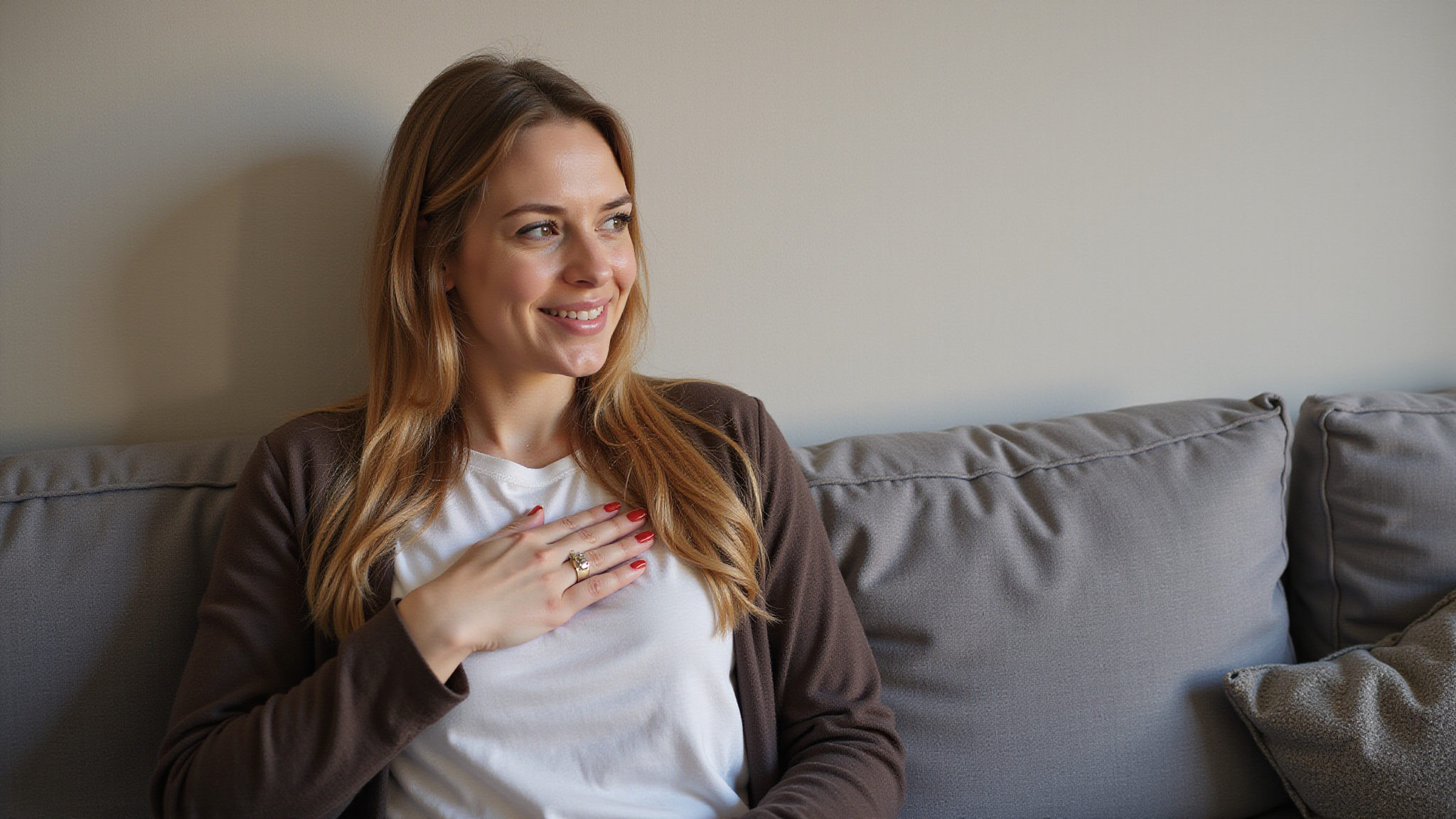
Breathing and body-based techniques calm the system by helping your body shift toward a relaxation response, which can lower your breathing rate, blood pressure, and heart rate. When anxiety spikes, your breathing quickens and your muscles tighten, and these techniques work in reverse. You can’t control anxious thoughts, but you can influence these physical signals.
- Slow diaphragmatic breathing: Breathe deeply into your belly, lengthening each exhale.
- Progressive muscle relaxation: Tense one muscle group, then release it, and feel tension drain away.
- Guided imagery: Picture a calming scene or memory that makes you feel safe.
- Regular practice: Repeat these skills when you’re calm, so they’re familiar under distress.
These methods are generally safe for healthy people. Still, some people notice increased anxiety or intrusive thoughts. If practice worsens symptoms, stop and seek guidance.
What role do movement, sleep, and food play
Movement, sleep, and food shape the baseline your nervous system works from, so these daily habits can raise or lower your anxiety. Movement is a practical starting point. Choose something accessible and sustainable, like walking, cycling, or dancing. Begin at a manageable level, then gradually increase duration or intensity. Treat exercise as a complement to professional care, not a guaranteed replacement.
Sleep and routine matter too. Keep consistent sleep and wake times when you can, build a calming wind-down routine, and cut back on stimulating activities before bed. Regular meals and planned daily activities give you structure during stressful periods. If caffeine or other stimulants seem to coincide with spikes in anxiety, consider reducing them.
Track your activity, sleep, intake, and anxiety levels together. Over time, you’ll see which patterns genuinely help you. Manage anxiety and insomnia when they happen together by identifying triggers and practicing healthy sleep habits. Relaxation techniques and professional support can help reduce anxiety, improve sleep quality, and promote overall well-being.
How does changing anxious thinking reduce symptoms
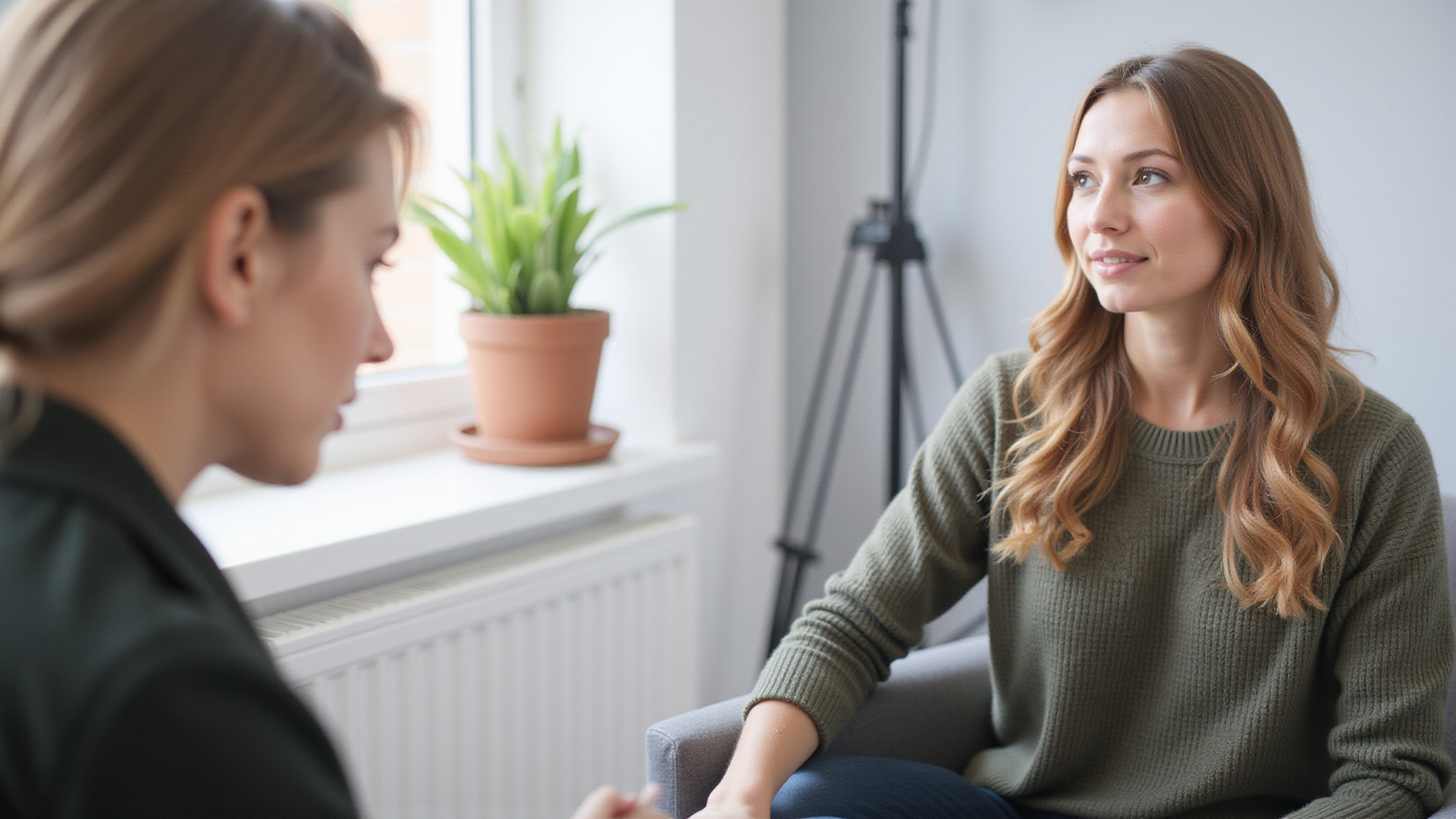
Changing anxious thinking reduces symptoms by altering how you interpret situations, which eases the fear those interpretations trigger. Cognitive behavioral therapy (CBT) targets this process, and it’s well supported: a meta-analysis of 41 randomized studies found moderate effects versus placebo (Hedges’ g=0.56).
Changing how you interpret situations eases the fear they trigger, and CBT, backed by 41 randomized studies, targets exactly this process.
- Name the thought. You notice the prediction driving your dread, like “I’ll fail.”
- Test the belief. You weigh evidence instead of accepting fear as fact.
- Face what you avoid. You approach feared situations gradually, letting anxiety fall steadily on its own.
- Reclaim your life. You rebuild confidence that you can cope.
For generalized anxiety disorder, CBT was the only approach in one large review with significant long-term effectiveness. A qualified professional can tailor this work to your specific symptoms and needs.
When is anxiety treatment without medication realistic, and when is it not
Anxiety treatment without medication is realistic for many people with mild to moderate anxiety, especially with structured psychological support, and less realistic when anxiety persists, worsens, or disrupts your work, relationships, or daily functioning. CBT has the strongest backing: in generalized anxiety disorder, it was the only approach in one large review showing significant long-term effectiveness. A 2023 trial also found mindfulness-based stress reduction noninferior to escitalopram, though one study can’t predict how you’ll respond. Treat generalized anxiety disorder without medication with strategies such as mindfulness, breathing exercises, and therapy. These approaches can help manage anxiety symptoms, build coping skills, and support long-term mental well-being.
If you have serious physical or mental health conditions, talk with a clinician before relying on relaxation or meditation. Self-help methods can support treatment; they don’t replace professional assessment. If you’re in immediate danger or having thoughts of self-harm, seek urgent local help right away.
How do you make managing anxiety without medication a lasting routine
Make anxiety management a lasting routine by building small, repeatable habits into your existing day rather than relying on willpower during a crisis. You’re more likely to keep going when practice feels manageable, not perfect. Calm anxiety when it feels overwhelming with simple strategies such as deep breathing and journaling. These techniques can help reduce stress, improve mental clarity, and build resilience when facing daily challenges.
Lasting calm comes from small, repeatable habits woven into your day, not willpower in a crisis. Aim for manageable, not perfect.
- Anchor relaxation to routines. Pair slow diaphragmatic breathing with your morning coffee or commute, so calm becomes familiar.
- Protect your sleep window. Keep consistent sleep and wake times, and give yourself a gentle wind-down before bed.
- Move in ways you’ll repeat. Choose walking, cycling, or dancing, then increase duration gradually.
- Track what helps. Log anxiety alongside sleep, activity, and caffeine to spot patterns you can trust.
If a practice worsens your symptoms, stop and seek guidance. If anxiety persists or disrupts daily life, a clinician can tailor CBT to your needs.
Conclusion
Managing anxiety without medication is realistic for many people, especially with mild to moderate symptoms and the right structure behind you. CBT leads the evidence, giving you concrete tools to reinterpret anxious thoughts and face what you’ve been avoiding, while slow breathing, progressive muscle relaxation, and mindfulness help calm your body in the moment. Steady movement, consistent sleep, and less caffeine lower your baseline, and anchoring these small habits to your daily routine makes them stick. Think of these strategies as complements to professional care rather than replacements for it. If your anxiety persists, worsens, or disrupts your days, that’s your signal to reach out, and lasting, medication-free relief is well within reach. Natural remedies for anxiety include relaxation techniques, yoga, and mindfulness practices that may help reduce stress and support emotional well-being. Choosing approaches that suit your needs can complement professional anxiety treatment.
Get Expert Help Managing Anxiety Day-to-Day
Managing anxiety on your own only goes so far, and expert therapy brings the kind of lasting relief practical tips alone cannot. Path2Purpose in Stockton offers a virtual and in-person Intensive Outpatient Program (IOP) for adults and adolescents across California, with multiple therapy sessions each week, personalized anxiety care, and ongoing clinical monitoring. Verify your insurance or Call +1 (209) 868-3219 today.
Frequently Asked Questions
Can Herbal Supplements Like Chamomile or Lavender Help Reduce Anxiety Symptoms?
Some herbal options show promise: oral lavender, for instance, has reasonable evidence for easing anxiety, while chamomile’s evidence is more limited and mixed. Before trying a supplement, check with your doctor or pharmacist, especially if you’re pregnant or taking medication. You’ve also got well-studied options like CBT, which shows moderate benefits, plus breathing, muscle relaxation, and mindfulness to calm your body’s stress response. If anxiety persists or disrupts your daily life, reach out to a qualified professional.
Are Anxiety Apps or Online CBT Programs as Effective as In-Person Therapy?
They can genuinely help. Online CBT programs built on solid CBT principles can support your progress, and CBT itself has strong research backing, showing moderate symptom reductions across 41 randomized studies. Direct head-to-head comparisons with in-person therapy are still limited, so if you try a digital program, choose one grounded in CBT, track your symptoms, and contact a qualified professional if your anxiety persists, worsens, or disrupts your daily life.
How Can I Support a Loved One Managing Anxiety Without Medication?
You can support them by encouraging evidence-based care like CBT, which shows moderate effects on anxiety symptoms, and by gently helping them face avoided situations rather than rescuing them from discomfort. Invite them to walk, practice slow breathing, or keep steady sleep routines with you. Don’t push practices that worsen their symptoms. If anxiety disrupts daily life or they mention self-harm, help them contact a professional or urgent local support.
Does Health Insurance Typically Cover Therapy for Anxiety Disorders?
Often, yes, but coverage varies by plan, country, and provider network. In the U.S., many plans must cover mental health care comparably to medical care, though you’ll still face copays, deductibles, session limits, or prior authorization. Call your insurer and ask whether your plan covers CBT for anxiety, which in-network therapists you can see, and what you’ll pay. If you’re uninsured, look for sliding-scale clinics or community mental health centers.
Can Children and Teenagers Use the Same Non-Medication Anxiety Strategies as Adults?
Yes, with age-appropriate adjustments. Kids and teens can benefit from the same core ideas, breathing, muscle relaxation, movement, and steady sleep routines, adapted to their age rather than copied directly from adult routines. Much of the research centers on adults, so a qualified mental health professional can tailor CBT to a child or teen specifically. If your child’s anxiety persists, worsens, or disrupts school or daily life, seek professional help, and get urgent support for any thoughts of self-harm.