



You can treat anxiety without medication, and the right therapy options give you real, lasting relief. Cognitive behavioral therapy (CBT) has the strongest evidence and is a guideline-supported first-line option. It helps you challenge anxious predictions and change behaviors that keep fear going. Exposure therapy lets you gradually face what you avoid, so fear loses its grip. Mindfulness-based approaches teach you to notice discomfort without fighting it, though benefits are modest. Knowing how each works, and when results appear, can guide your first step.
Key Takeaways
- Non-medication anxiety treatments include cognitive behavioral therapy, exposure-based approaches, mindfulness programs, relaxation training, and mind-body activities like yoga or tai chi.
- CBT has the strongest evidence base and is guideline-supported as first-line, helping change unhelpful thoughts and behaviors that maintain anxiety.
- Exposure therapy reduces fear by gradually facing avoided situations, starting with ranking triggers from least to most difficult.
- ACT and mindfulness-based therapies teach noticing anxious thoughts without fighting them, with moderate evidence showing small to modest anxiety improvements.
- Group or intensive outpatient therapy adds structure when weekly sessions aren’t enough, and progress depends on severity and consistent between-session practice.
What therapy options treat anxiety without medication
Therapy options that treat anxiety without medication include cognitive behavioral therapy (CBT), exposure-based approaches, mindfulness programs, relaxation training, and mind-body activities like yoga or tai chi. CBT has the strongest evidence base among anxiety therapies. It’s strongly recommended as a first-line psychological treatment for anxiety, especially generalized anxiety disorder. CBT helps you identify and change unhelpful thoughts and behaviors through structured sessions and between-session practice. Exposure-based approaches help you gradually confront feared situations and are a core part of treatment for many anxiety diagnoses, including panic disorder. Mindfulness programs, relaxation training, and mind-body activities can also reduce symptoms. Breathing-only techniques show inconsistent results. Your best non medication anxiety treatment depends on your specific condition, symptom severity, and preferences. A qualified clinician can match you with the right psychological treatment for anxiety and adjust it as you progress. Exploring ways to treat generalized anxiety disorder without medication can include lifestyle changes and supportive resources. Regular exercise, a balanced diet, and support groups may help manage symptoms, encourage healthy coping habits, and reduce feelings of isolation.
How does CBT work for anxiety
CBT works for anxiety by helping you identify and change the unhelpful thought patterns and behaviors that keep anxiety going. Among therapy options for anxiety, CBT has the strongest evidence base and is a first-line treatment for generalized anxiety, panic, and social anxiety disorders. Exploring natural remedies for anxiety may complement traditional treatment approaches. Mindfulness, relaxation techniques, and certain herbal remedies may help ease anxiety symptoms and support stress management.
| CBT Component | What You Do | Purpose |
|---|---|---|
| Cognitive restructuring | Challenge anxious predictions | Reduce distorted thinking |
| Exposure | Gradually face feared situations | Reduce avoidance |
You’ll attend structured sessions, practice skills between them, and track symptoms to measure progress. Exposure is tailored to your diagnosis; for panic disorder, for example, it includes interoceptive exposure to feared body sensations, a core and guideline-supported part of CBT. Your clinician matches techniques to your condition. If symptoms persist, you and your clinician can review progress and adjust strategies until daily functioning improves. You don’t need medication to begin.
What is exposure therapy and when is it used

Exposure therapy helps you gradually and deliberately face the situations, objects, or sensations you’ve been avoiding, because avoidance keeps fear alive. It’s a core CBT component for many anxiety problems, and it works by reducing the avoidance that maintains your fear. You’ll typically move through three stages:
- Planning: You and your clinician rank feared situations from least to most difficult.
- Practicing: You approach real-world triggers step by step, often called in vivo exposure.
- Adjusting: Your clinician tailors the pace and difficulty to your symptoms and goals.
Guidelines support exposure therapy, CBT, and virtual-reality exposure for specific phobias. Exposure is also central to treating panic disorder, where interoceptive exposure helps you face feared physical sensations, so your treatment should match your diagnosis. Ask a qualified clinician which approach fits.
How do ACT and mindfulness-based therapy help
ACT and mindfulness-based therapy help by teaching you to notice anxious thoughts and physical sensations without judging or fighting them, so you can make room for discomfort while acting on what matters to you. This differs from CBT, which focuses on changing unhelpful thoughts. Mindfulness-based cognitive therapy combines meditation practice with cognitive strategies, and it’s been studied in people experiencing anxiety and depression.
The evidence is encouraging but measured. A review of 47 trials with 3,515 participants found moderate evidence that mindfulness meditation programs improved anxiety. Still, benefits are small to modest, and research in diagnosed anxiety disorders remains limited by study quality and size. You can use these practices alongside CBT, and a clinician can help you decide whether they fit your needs.
When does group or intensive outpatient therapy make sense
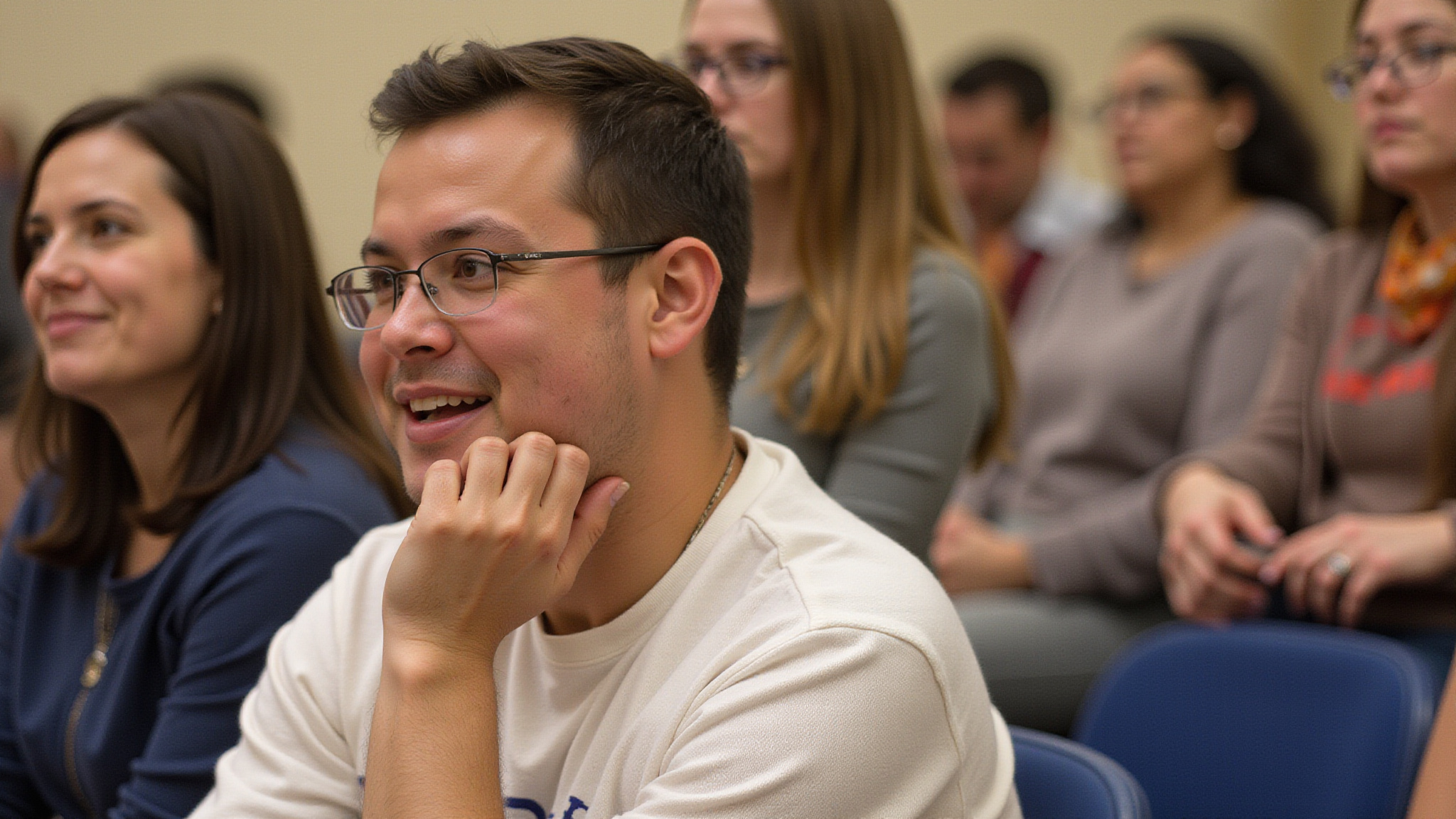
Group or intensive outpatient therapy makes sense when you need more structure than a weekly individual session provides. Your choice should reflect your specific anxiety condition, symptom severity, preferences, and access to trained clinicians.
These formats may make sense when:
- Weekly sessions aren’t enough. If symptoms persist or your daily functioning stays impaired, your clinician can adjust your plan toward more frequent contact.
- You’d benefit from shared practice. Group CBT lets you build skills, track symptoms, and rehearse exposure with others facing similar challenges.
- Avoidance is limiting your life. More intensive formats can give you structured, gradual exposure with closer clinical support.
Ask a qualified clinician which level of care fits your diagnosis, and review your progress over time as symptoms change.
How long before anxiety therapy starts working
Anxiety therapy has no fixed timeline for when it starts working, because your progress depends on your specific anxiety condition, symptom severity, and how consistently you practice skills between sessions. CBT gives you structured sessions, homework, and symptom tracking, so you and your clinician can see whether thoughts, behaviors, and avoidance are shifting. If you’re doing exposure work, your clinician can tailor the pace and difficulty to your goals.
Keep expectations realistic. One older guideline review reported response rates of 45%, 65% across initial anxiety-disorder treatments, meaning not everyone improves with the first approach. That’s not failure. Review your progress regularly with your clinician, and adjust strategies if symptoms persist or functioning remains impaired. Regular relaxation practice or exercise can complement therapy as you work toward change.
Which anxiety therapy is the best starting point
CBT is the best starting point for most anxiety disorders, with the strongest evidence base among psychotherapeutic approaches and guideline support as a first-line treatment for generalized anxiety disorder, panic disorder, and social anxiety disorder. Your diagnosis shapes the right fit, so you’ll want a clinician to confirm it first.
Match your starting point to your symptoms:
- Generalized anxiety: Start with CBT. Applied relaxation and psychodynamic therapy have evidence gaps here.
- Panic disorder: Choose CBT, which includes interoceptive and in vivo exposure as core, guideline-supported components.
- Specific phobia: Consider exposure therapy, CBT, or virtual-reality exposure.
Mindfulness, relaxation training, and exercise can complement therapy, but they shouldn’t replace it. If your symptoms persist, you and your clinician can review progress and adjust your plan.
Conclusion
Medication is one path to managing anxiety, but it isn’t the only one, and for many people therapy alone brings real, lasting relief. CBT stands out with the strongest evidence and first-line guideline support, giving you concrete tools to challenge anxious thinking and loosen the grip of avoidance, while exposure work, tailored to your diagnosis, helps you face what you’ve been steering around. Mindfulness, relaxation, and mind-body practices can round out your plan, and more structured formats are there when weekly sessions aren’t enough. The right starting point depends on your diagnosis, so let a qualified clinician help you choose, then review and adjust as you go. Progress takes practice and patience, but you can get there without a prescription. Learning how to manage anxiety without medication starts with healthy lifestyle changes and effective coping strategies. Regular exercise may ease anxiety symptoms, while support groups and social connections can reduce isolation and provide emotional support.
Explore Therapy-Based Anxiety Care That Works
Not everyone wants to begin anxiety treatment with medication, and lasting relief is possible through therapy alone when guided by the right team. Path2Purpose in Stockton offers virtual and in-person Outpatient Program care for adults and adolescents across California, with individual and group therapy, coping and emotional regulation skills, and trauma-informed support shaped around your anxiety. Verify your insurance or Call +1 (209) 868-3219 to see which therapy option fits you best.
Frequently Asked Questions
Can Regular Exercise or Yoga Reduce Anxiety Symptoms Without Medication?
Yes, regular exercise and yoga can ease your anxiety symptoms without medication. A network meta-analysis linked yoga (Hedges’ g = −0.59), tai chi/qigong (−0.52), and meditation (−0.72) with improvements versus controls. Walking, jogging, and resistance training may also help, especially if your symptoms are mild to moderate. Evidence quality varies, though, so you shouldn’t treat exercise as a guaranteed substitute. Pair it with CBT, which has the strongest evidence base.
Are Breathing Exercises Alone Enough to Manage an Anxiety Disorder?
Probably not. Breathing-only interventions have produced inconsistent results, so you can’t rely on them alone to treat an anxiety disorder. You’ll likely benefit more from CBT, the best-supported psychotherapy, or relaxation training, which showed a medium effect (d=0.51). You can still practice breathing within combined mindful approaches. A qualified clinician can help you match treatment to your specific diagnosis and adjust it if symptoms persist.
What Is Progressive Muscle Relaxation, and How Do I Practice It?
Progressive muscle relaxation is a technique where you systematically tense and release muscle groups to reduce physical tension. To practice, sit or lie comfortably, then tense one area, like your hands, for a few seconds before releasing and noticing the difference. Move gradually through your body. You’ll benefit most from regular practice, and you can use it alongside formal psychotherapy, since relaxation training has shown a medium effect on anxiety.
What Should I Do if Therapy Isn’t Reducing My Anxiety?
Don’t quit; talk with your clinician about it directly. You can review progress together and adjust strategies when symptoms persist or daily functioning stays impaired. Ask whether your treatment matches your specific diagnosis, since that guides which approach fits. CBT has the strongest evidence, and exposure-based work can target avoidance. You can also add regular relaxation practice, mindfulness, or exercise like yoga, but they’re complements, not guaranteed substitutes for treatment.
How Do I Find a Qualified Therapist Trained in Anxiety Treatment?
Look for a licensed clinician who’s specifically trained in cognitive behavioral therapy, since CBT has the strongest evidence base for anxiety disorders. When you contact potential therapists, first ask how they’d treat your specific condition, whether exposure suits your diagnosis, and how they’ll track your symptoms. A good fit tailors pacing to your goals and reviews progress with you. If you’re not improving, they’ll adjust strategies rather than continuing unchanged.